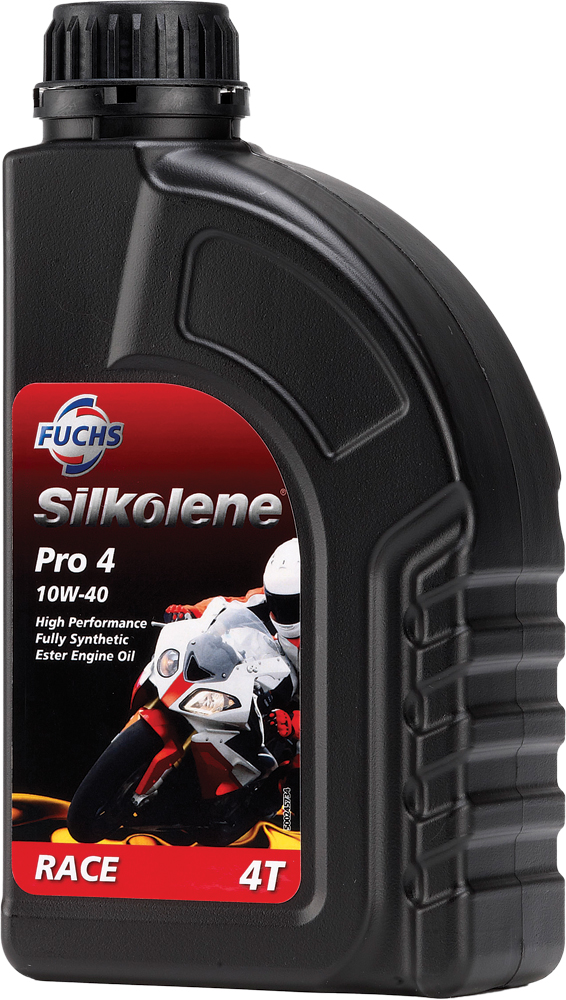
Verified fluid capacities for 2026 Ducati Panigale V4: engine oil 3.80 L (4.02 US qt), viscosity Shell Advance 4T Ultra 15W-50 / Motul 300V 15W-50, JASO MA2, coolant 2.60 L (2.75 US qt), brake fluid, and fork oil levels.
Gen 2018–2026
Factory Platform Compatibility: All workshop fluid capacities, maintenance milestones, torque specifications, and consumables on this specification sheet are factory-identical across model years 2018 through 2026.
Engine Cooling System Hydraulics, Thermostat & Antifreeze Calibration
Fluid capacity, silicate-free chemistry, thermostat opening bench tolerances, and radiator cap relief pressure for the 2026 Ducati Panigale V4.
Factory Hydraulic Capacities & Pressurization
Total Cooling Capacity
2.6 L
Radiator + Jacket + Reservoir
Radiator & Engine Jacket
2.25 L
Circulating loop volume
Expansion Reservoir
0.35 L
Cold fill to MIN line
Radiator Cap Relief Spec
1.4 bar
140 kPa valve release
OEM Chemical Mandate: 100% Silicate-Free Ethylene Glycol (OAT)
Recommended: Eni Agip Permanent Spezial (OAT Silicate-Free 50/50). Traditional automotive green coolants contain silicates that precipitate as microscopic sand crystals, scouring and destroying motorcycle ceramic water pump mechanical seals within 5,000 miles. Always dilute with pure distilled water; tap water minerals bond to hot aluminum cylinder liners and cause localized boiling hot spots.
Concentration: 50% Concentrate / 50% Distilled Water
Freeze Point Protection
-37°C
Coolant remains slush-free without expanding or cracking aluminum cylinder water jackets.
Boiling Point (Under 1.4 bar Cap)
128°C
Pressurized protection prevents localized steam pockets and head gasket blowout.
Workshop Batch Mixing Recipe
Concentrate: 1.3 L
Distilled Water: 1.3 L
Pre-mix together in clean container before pouring into radiator filler neck.
Thermostat Stove-Top Bench Testing Simulator
Water Bath Temperature: 25°C (77°F)
Thermostat Valve Lift Height0.0 mm / 8.0 mm Min
VALVE SEALED COLD (25°C / 77°F) — NORMAL WARM-UP
Workshop Bench Technique: Suspend thermostat on a wire suspended in a beaker of water with a digital thermometer. Do NOT let thermostat touch the metal bottom of the pan. Heat slowly; valve must crack at 78°C and open at least 8 mm by 92°C. If it opens late or fails to reach 8 mm, replace thermostat immediately.
Radiator Cap Pressure Tester Diagnostic
Holding Spec: 1.4 bar (20.3 psi)
Motorcycle radiator caps feature a calibrated spring that holds hydraulic pressure inside the radiator. Every 1 psi of pressure elevates the coolant boiling point by 3°F.
Symptom: Mystery Boil-Over at Traffic Stops
If a bike runs cool at 60 MPH but immediately burps coolant into the reservoir and overflows onto the ground at stoplights, test the cap with a Stant pressure tester. An aged cap venting early at 0.7 bar (10 psi) lets coolant flash into steam at 115°C instead of 128°C.
Five-Step Workshop Air-Burp Protocol
Drain Plug: 10 N·m
1
Drain & New Washer
Remove water pump drain bolt and cylinder jacket drain. Replace copper/aluminum crush washer; torque to 10 N·m.
2
Slow Gravity Fill
Pour pre-mixed coolant slowly into radiator filler neck so air bubbles have time to vent upward.
3
Hose Kneading
Firmly squeeze upper and lower radiator hoses by hand to dislodge air bubbles trapped in the water pump impeller and cylinder head.
4
Thermostat Cycle
Idle engine with radiator cap off. Wait for thermostat to crack open at 78°C. Level will burp and drop; immediately top off.
5
Reservoir Cold Fill
Fill expansion reservoir between MIN and MAX marks. Install pressure cap past first safety detent to full lock.
Torque wrenches measure rotational friction, not axial bolt stretch. Applying dry factory torque specs to threads lubricated with anti-seize, threadlocker, or oil reduces thread friction, causing bolt tension to increase 30%–50% at the same wrench setting and stripping soft aluminum motorcycle castings. Select your active fastener thread condition below:
Dry Threads (Factory Baseline): Clean, dry threads with zero lubricant. 100% of factory torque spec.
Engine & DrivetrainNone (Clean Dry)
Engine Oil Drain Bolt
Tightening Torque
42 N·m
31 ft-lb
Thread Dimension
M22 × 1.5
Socket / Drive
10 mm Allen
Sequence: Hand-spin until washer seats flush against sump; torque in single continuous stroke.
Sequence: Criss-cross star pattern. Ensure disc sits 100% flat against wheel hub register with zero trapped debris.
CRITICAL CAUTION: Trapped dirt under rotor mounting flange causes severe brake pedal pulsation and lateral rotor runout.
Brakes & HydraulicsNone (Clean Dry with Fresh Copper Washers)
Hydraulic Brake Line Banjo Bolts
Tightening Torque
30 N·m
22.1 ft-lb
Thread Dimension
M10 × 1.25 (Brembo: M10 × 1.0)
Socket / Drive
12 mm / 14 mm Hex Socket
Sequence: Always replace the two copper/aluminum crush washers per banjo joint. Never reuse crushed washers.
CRITICAL CAUTION: Over-torquing shears the cross-drilled fluid passage inside the banjo bolt, destroying the caliper casting.
Brakes & HydraulicsNone (Clean Dry)
Caliper Hydraulic Bleed Screws
Tightening Torque
6 N·m
53 in-lb
Thread Dimension
M7 × 1.0 / M8 × 1.25
Socket / Drive
8 mm / 10 mm Line Wrench
Sequence: Use 6-point flare-nut / line wrench to prevent rounding soft hex. Snug firmly until seated against conical seat.
CRITICAL CAUTION: Overtightening distorts the internal conical sealing point, causing persistent hydraulic fluid weeping.
Four Essential Workshop Tightening Protocols
1. Lower Triple Clamp Stiction Rule
Lower triple clamp pinch bolts must NEVER be torqued past factory spec (18–23 N·m). Overtightening pinches the outer fork slider oval, crushing internal bushings against the chrome stanchion and causing severe suspension stiction and premature seal failure.
2. Handlebar Clamp Zero-Gap Rule
Always tighten the front two clamp bolts until the upper clamp touches the bottom riser with ZERO clearance. Then torque the rear two bolts to spec. Leaving an equal gap front and rear allows handlebars to slip forward under sudden emergency braking.
3. Front Axle Bounce & Alignment
Torque front axle spindle nut first while pinch bolts are loose. Pump front forks up and down vigorously 3–4 times with front brake applied. This allows the right fork bottom to center itself freely along the axle spindle before torquing pinch bolts.
4. Star Pattern & Criss-Cross Torque
Always torque opposed bolts across a circular pattern in 2 progressive stages (50% torque stage 1, 100% final stage). Essential on brake disc rotors, engine case covers, and clutch pressure plates to prevent warping aluminum mating faces.
Yield strength: 640 MPa. Used on footpeg brackets, fairing subframes, radiator brackets, and standard chassis mounts. Head stamped "8.8".
Grade 10.9
Extra High Tensile (1,040 MPa)
Yield strength: 940 MPa. Mandatory on front/rear brake caliper mounts, suspension linkages, and engine hanger bolts. Head stamped "10.9".
Grade 12.9
Ultra High Tensile (1,220 MPa)
Yield strength: 1,100 MPa. Extreme strength alloy steel used on cylinder head studs, crankcase through-bolts, and countershaft sprocket studs. Head stamped "12.9".
Stainless A2-70 / A4-80
Galling Hazard in Aluminum
Stainless steel galls into aluminum engine cases, seizing permanently. Never replace structural chassis or brake bolts with cosmetic hardware store stainless.
Sharp, aggressive initial bite with linear lever feel and minimal thermal hysteresis under repeated heavy slowdowns.
Rotor Wear Index & Wet Weather Recovery
Moderate to high rotor abrasive index. Requires hardened stainless steel rotors; not compatible with cast iron discs. • Superior wet recovery. Metallic sintered composition cuts cleanly through surface water film without delaying pad response.
Application & Recommended Riding Profile
Recommended for modern high-performance street motorcycles, spirited canyon riding, two-up touring, and occasional trackdays.
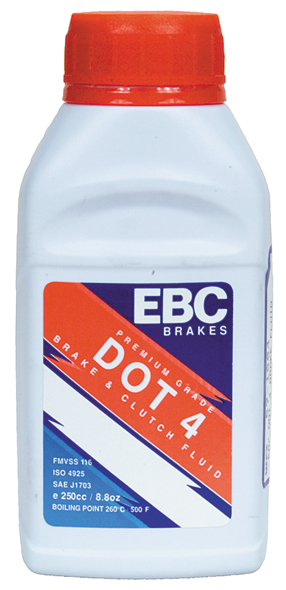
Glycol brake fluid absorbs 2%–3% atmospheric water annually. Over 24 months, boiling point collapses from 260°C (500°F) to below 165°C (329°F), risking sudden vapor-lock brake loss. Flush fluid every 2 years.
Piston Seal Rollback Function
Caliper square-profile rubber seals flex under pressure to retract pistons ~0.15 mm when pressure drops. Hardened or dirty seals prevent rollback, causing continuous pad drag, glazed rotors, and fuel mileage loss.
Bleeder Torque & Sequence
Bleed master cylinder first, then furthest caliper, then nearest caliper. Tighten bleeder nipples to strictly 7 N·m. Over-tightening permanently shears threads in aluminum calipers.
Direct-Fit Braking Components & Hydraulic Fluids
Authentic double-H sintered pads, replacement floating rotors, and high-temp racing brake fluid
The U.S. National Highway Traffic Safety Administration reports 1 safety recall campaign associated with this platform. Independent repair shops and riders should confirm that authorized dealership warranty remedies have been applied.
NHTSA #26V050000SERVICE BRAKES, HYDRAULIC:FOUNDATION COMPONENTS:HOSES, LINES/PIPING, AND FITTINGS
Received: 28/01/2026▼
Defect Description
Ducati North America (Ducati) is recalling certain 2025-2026 Streetfighter V4, Streetfighter V4 S, Panigale V4, and Panigale V4 S motorcycles. Excessive heat may damage the rear brake hose between the ABS control unit and brake caliper, resulting in a sudden loss of the rear brakes.
Safety Hazard / Consequence
A sudden loss of rear brake function increases the risk of a crash or injury.
Factory Remedy & Repair Action
Dealers will replace the thermal shield, free of charge. Owner notification letters were mailed March 9, 2026. Owners may contact Ducati customer service at 1-888-391-5446. Ducati's number for this recall is SRV-RCL-26-001. Vehicle Identification Numbers (VINs) involved in this recall became searchable on NHTSA.gov on February 3, 2026. This recall expands and replaces previous NHTSA recall number 25V013. Vehicles repaired under the previous recall will need to have the new remedy completed.
1-Click Factory Service KitOEM Spec Fluid Capacities Matched
Workshop Maintenance Kit & Factory Fluids
Authentic factory-grade motor oil, oil filter, and high-temp brake fluid matched precisely to 2026 Ducati Panigale V4 capacities.