2022 Ducati Panigale V4 / V4 S / V4 R / V4 SP Specifications & Consumables
Official workshop technical reference: fluid capacities, spark plug codes, drive chain specs, and tire inflation pressures.
Factory Platform Compatibility: All workshop fluid capacities, maintenance milestones, torque specifications, and consumables on this specification sheet are factory-identical across model years 2018 through 2026.
Engineering Subsystem Workbenches & Calculators
Dedicated deep-dive diagnostic tools, torque matrices, wiring pinouts, and calculators tailored for 2022 Ducati Panigale V4 / V4 S / V4 R / V4 SP.
Fastener Torques
Engine drain plug, axle spindles, caliper mounts, triple clamp pinch bolts & thread lubrication derating guide.
Fluids & Capacities
Oil: 3.80 L (4.02 US qt) • Coolant: 2.60 L (2.75 US qt) • Brake: DOT 4 (Brembo HTC 64T / Motul RBF 660 for track)
Fuses & Relays
Main: N/A • Location: N/A
Compression & Leakdown
Ratio: 14.0:1 • Std: 185-235 PSI • Limit: 160 PSI
Valve Clearances
Intake: N/A mm • Exhaust: N/A mm
Fuel Delivery & TB Sync
Idle: N/A • Rail Pressure: N/A • Vacuum: N/A
Charging & Battery
Battery: YT12B-BS (12V 10Ah) / Lithium-Ion (12V 4Ah, OEM 66920031A on V4 S / SP / R)
Tires & Gearing
Front: 120/70 ZR17 (Pirelli Diablo Supercorsa SP V3 / V4) • Rear: 200/60 ZR17 (Pirelli Diablo Supercorsa SP V3 / V4)
Suspension & Sag
Front Travel: 120 mm • Rear Travel: 130 mm
Maintenance Schedule
Oil: Every 7,500 miles (12,000 km) mi • Valves: N/A • Plugs: Every 15,000 miles (24,000 km) mi
Official Factory Service Bulletins & Field Updates
Ducati Panigale V4 / Streetfighter V4 Single-Sided Swingarm Rear Wheel Axle Shaft
Structural integrity recall: Replacement of rear wheel shaft (81920831AA / 81920611A), notch effect mitigation, M48 collar nut 230 N·m & eccentric clamp 35 N·m.
Ducati Panigale V4 Oil Cooler Output Port Reinforcement & Hose Fittings
Countermeasure cooler (54811364A) with dual welded port reinforcement plates, 24mm union nuts 15 N·m, duct mounts 5 N·m & 0.42L top-up.
Ducati Desmosedici Stradale Hydraulic Timing Chain Tensioner Sealing
Front and rear bank hydraulic chain tensioner torque revision: 50 N·m (increased from 30 N·m), 27mm 12-point socket & washer inspection.
Ducati Panigale V4 Fuel Tank Filler Cap Venting & Pressure Relief System
Fuel pressurization countermeasure: Valve block check ball removal, Torx T10 0.9 N·m, M5 ring screws 4 N·m & decal 43314761A.
Workshop Maintenance Kit & Factory Fluids
Authentic factory-grade motor oil, oil filter, and high-temp brake fluid matched precisely to 2022 Ducati Panigale V4 / V4 S / V4 R / V4 SP capacities.
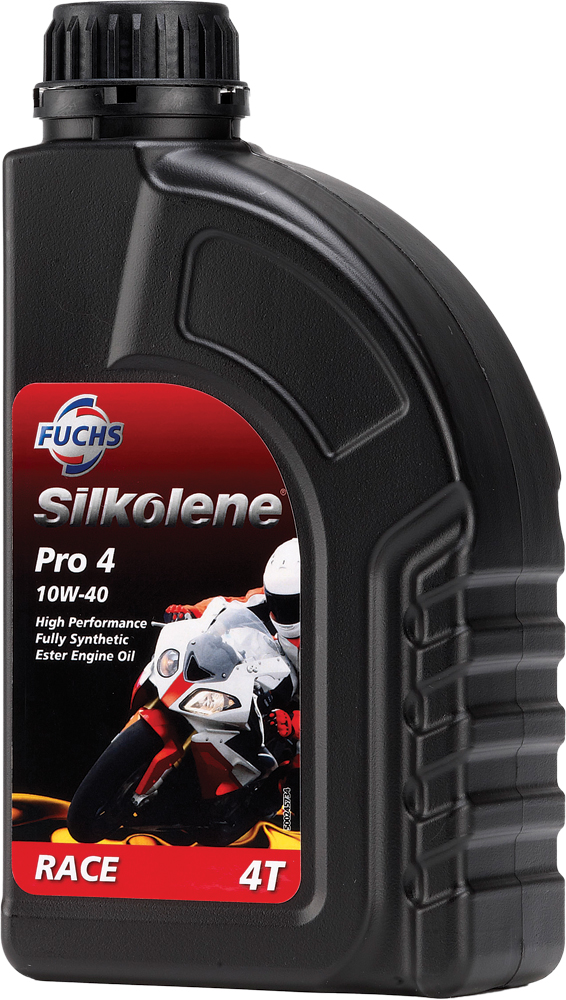
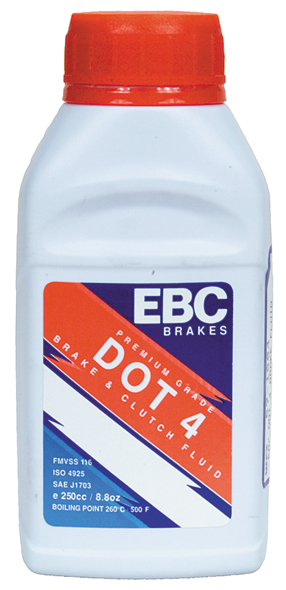
EBC High-Performance DOT 4 Synthetic Brake Fluid
NGK RMAR9A-10
Looking for direct-fit parts for this 2022 Panigale V4 / V4 S / V4 R / V4 SP?
Browse authentic verified parts, motor oils, filters, brake pads, and tires that fit this exact bike.