Skip to Main Content
Free Shipping Over $15030-Day Returns
800-288-0640
Free Shipping $150+30-Day Returns800-288-0640
Rider Clinic
Home/Rider Clinic/August 28, 2026
Dispatch · August 2026·Published: August 28, 2026

Motorcycle Jacket Materials: Choosing the Right Fabric for the Ride

Comparing full-grain bovine leather, high-tenacity Cordura, and breathable mesh. How to choose the right motorcycle jacket material for your climate and riding style.

RC
Rider Clinic Staff Riders
Lead Staff Rider & Technical Evaluator · 6 min read
Rider Staff Byline
Motorcycle Jacket Materials: Choosing the Right Fabric for the Ride

The Armor Chassis: Balancing Protection, Airflow & Weather Resistance

Your riding jacket serves as your second skin on the road. It performs two critical safety roles: keeping CE-certified impact protectors in place over joints and preventing catastrophic road rash during high-speed tarmac slides.
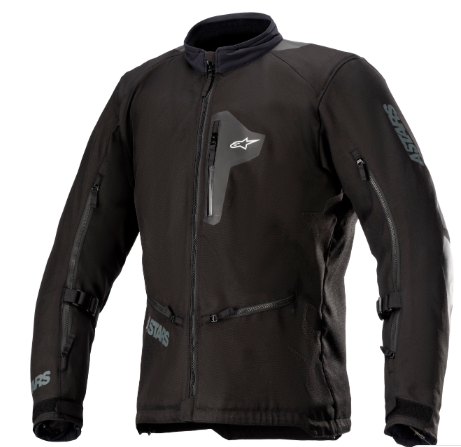
Technical All-Weather Motorcycle Riding Jacket
Multi-season technical textile jacket featuring ballistic abrasion panels, integrated ventilation zippers, and CE-rated viscoelastic armor.

1. Material Comparison: Slide Times on Coarse Asphalt

Material Type Slide Time (60 mph) Best Application
1.2mm – 1.4mm Full-Grain Leather 4.5 – 7.0 seconds Track racing, aggressive sport & canyon riding
600D – 1000D Ballistic Cordura 1.5 – 3.0 seconds Adventure touring, commuting, all-weather riding
High-Flow Abrasion Mesh 1.0 – 1.8 seconds Urban summer riding in 90°F+ high heat

2. The Role of Integrated CE Armor

Abrasion resistance keeps your skin intact, but impact protection saves your joints and skeletal structure. Ensure your jacket includes CE Level 2 viscoelastic protectors in the shoulders and elbows, paired with a certified central back protector insert.

INDEXED TOPIC TAGS:
#Motorcycle Jackets#Riding Gear#Leather vs Textile#Cordura#Armor & Apparel#Rider Protection#Field Dispatch
Back to Rider Clinic Hub

Join VIP Rider Club

Get private drops, fitment updates & exclusive offers.