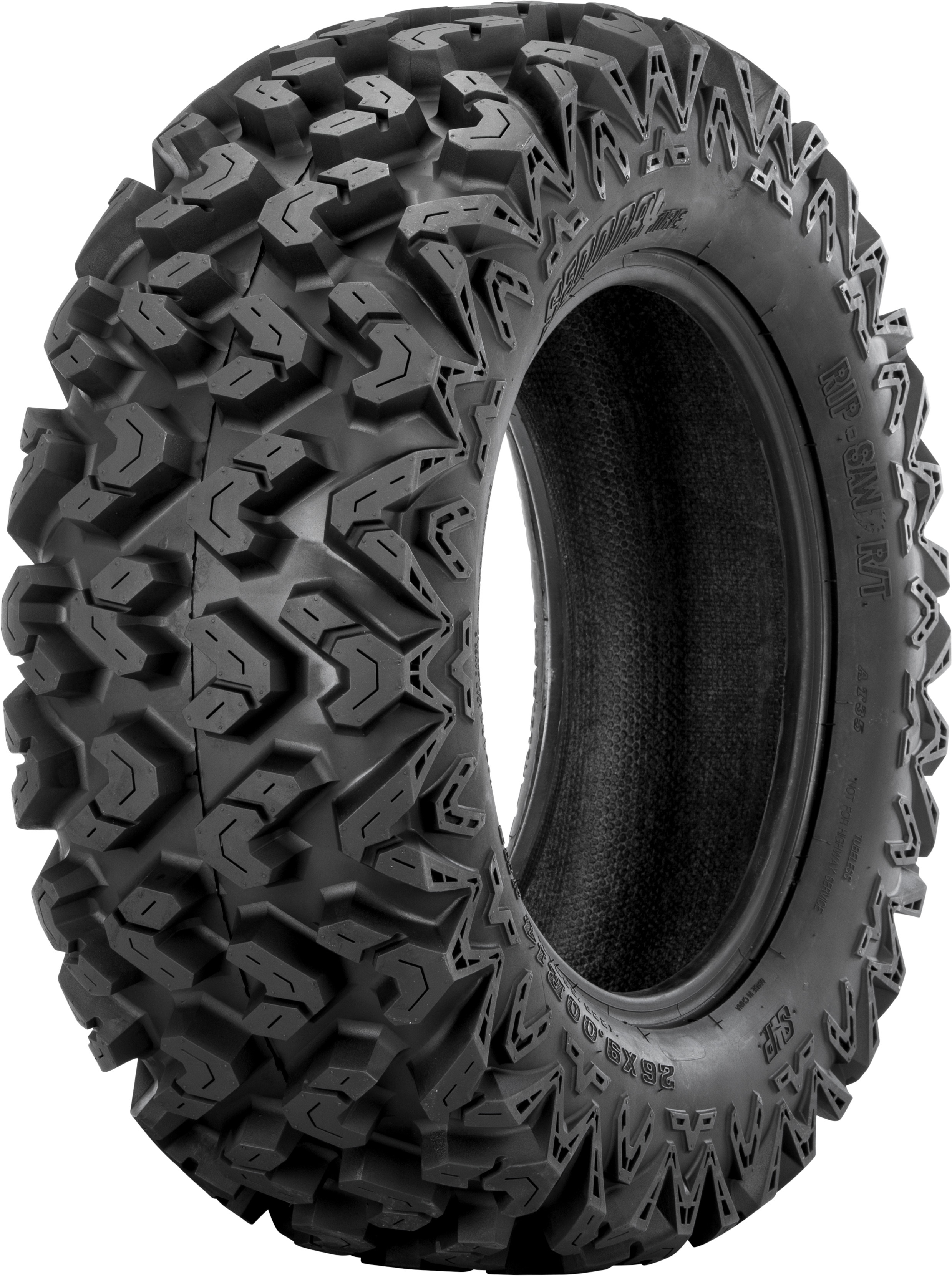
The Chemistry of Friction: Matching Compound to Riding Discipline
Motorcycle braking is the conversion of kinetic energy into thermal heat through friction between the brake pad and rotor. Choosing the right friction material is critical for lever feel, stopping distance, and rotor longevity.
1. Sintered Metallic Pads (HH Rated)
Sintered pads are manufactured by fusing metallic particles (copper, tin, and bronze alloys) under extreme heat and pressure. Sintered pads are standard OEM equipment on modern sport bikes and heavy cruisers.
- Thermal Stability: Exceptional resistance to brake fade up to 1,200°F (650°C).
- Wet Weather Performance: Immediate initial bite in rain because metallic pores disperse water films instantly.
- Trade-Off: Higher abrasive wear on softer stainless steel brake rotors.
2. Semi-Metallic Pads
Combining metallic fibers with organic resin binders, semi-metallic pads deliver a balance between progressive lever modulation and high-temperature capability. Ideal for sport-touring and commuting.
3. Organic / Resin Pads
Formulated from aramid fibers, carbon particles, and cellulose bonded with high-temperature phenolic resins. Organic pads provide soft, predictable initial bite with zero rotor scoring—perfect for lightweight vintage motorcycles and rear brake applications.
The Crucial Brake Pad Bed-In Procedure
- Perform 6 to 8 gentle, progressive stops from 35 mph down to 10 mph without locking the wheel.
- Perform 3 to 4 firm stops from 55 mph down to 15 mph to heat the friction material.
- Allow the braking system to cool completely for 15 minutes by riding without touching the brakes. This transfers an even microscopic friction boundary layer from the pad to the rotor surface, preventing shudder and pulsation.
Browse Brake Rotors, Pads & Fluids
Explore high-performance braking hardware in our Brake Rotors, Pads & Hydraulics Department.


