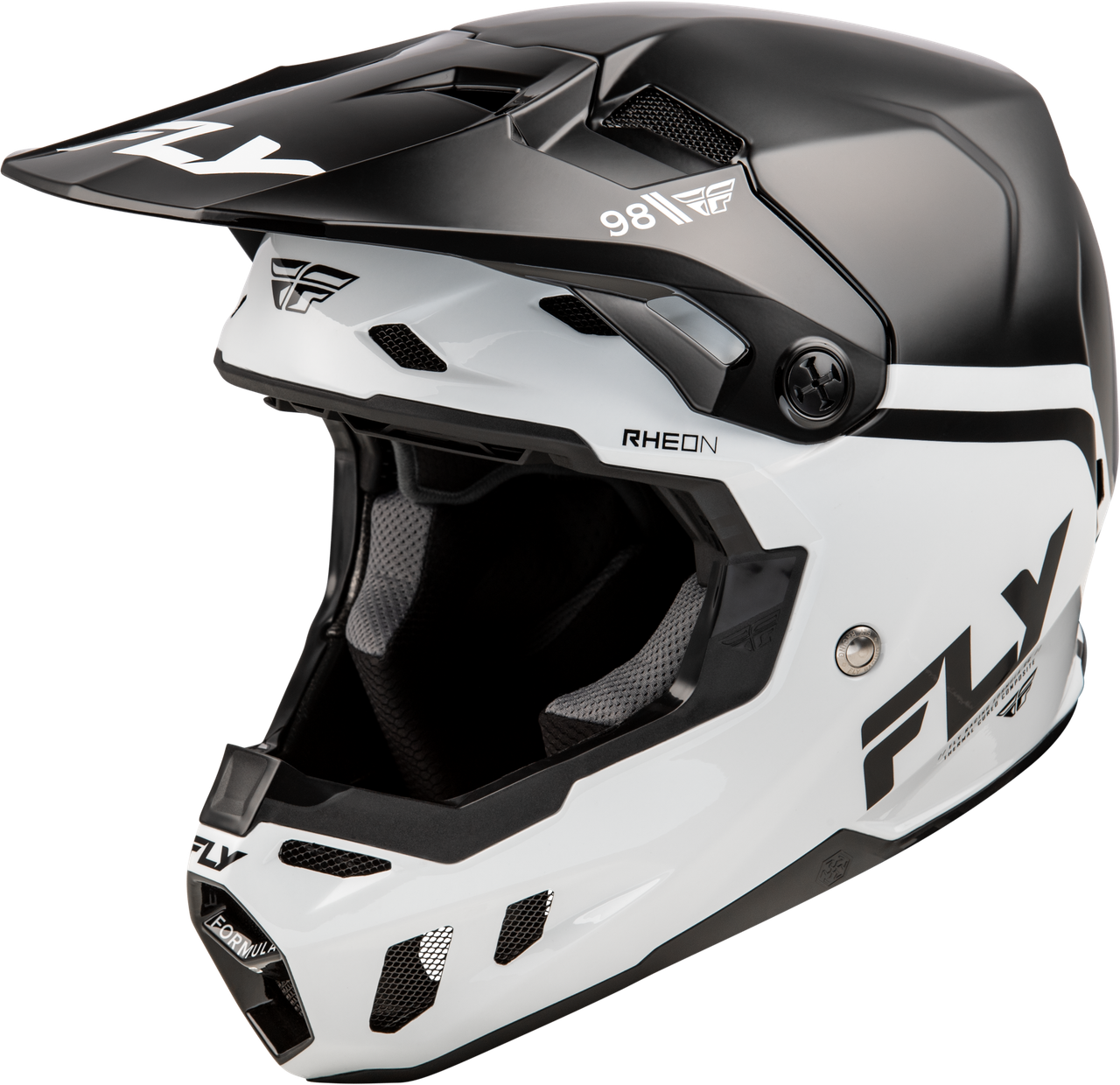
The Geometry of Skull Profiles
Over 75% of helmet discomfort and premature rider fatigue stems not from incorrect sizing, but from a mismatched internal head shape profile. A size Large helmet engineered for a Round Oval head will exert severe focal pressure on the forehead of an Intermediate Oval rider.
1. Identifying the Three Primary Head Shapes
- Intermediate Oval (Most Common in North America & Europe): The skull's front-to-back measurement is distinctly longer than the side-to-side ear measurement.
- Round Oval: The skull's front-to-back length and side-to-side width are virtually identical. Riders wearing intermediate oval helmets often experience gap space on the sides and severe pinching at the crown.
- Long Oval: Noticeably long and narrow skull profile. Requires specialized deep shells with contoured temple relief.
2. The Zero-Pressure 3-Point Fitment Protocol
- Circumference Baseline: Use a flexible cloth tape measure positioned 1 inch (2.5 cm) above the eyebrows, passing directly over the occipital ridge at the back of the skull.
- The 30-Minute Break-In Check: Wear the helmet indoors for 20–30 minutes without distractions. A properly fitting helmet should feel uniformly snug (like a firm handshake across the entire skull). If a distinct red mark or localized burning sensation develops on the center of your forehead, the shell is too round.
- Cheek Pad Compression: Cheek pads should firmly press your cheeks into a slight 'fish-face' posture without pushing your teeth into your inner cheeks. EPS foam does not break in over time; only the fabric cheek pads compress 10–15% after 15–20 hours of ride time.
Calibrate Your Fitment
Use our interactive Helmet Sizing Calibration Tool or visit our Fullerton Showroom for in-person fitting.


