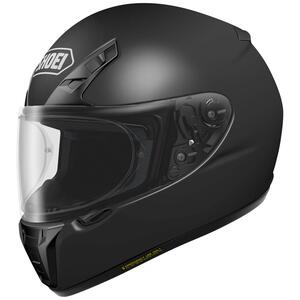
The Biomechanics of Crash Dynamics: Linear vs. Rotational Forces
For decades, motorcycle helmet standards primarily focused on linear peak acceleration—measuring how effectively an expanded polystyrene (EPS) liner cushioned a direct, 90-degree anvil strike. While linear absorption prevents catastrophic skull fractures, modern neurological crash data confirms that the majority of severe traumatic brain injuries (TBIs) and diffuse axonal injuries stem from rotational acceleration (the rapid twisting of the brain inside the skull cavity during an oblique slide).
1. ECE 22.06: The New Global Benchmark
Introduced by the United Nations Economic Commission for Europe, ECE 22.06 introduces strict multi-point criteria:
- Oblique Impact Testing (Rotational Velocity): Helmets are dropped at a 45-degree angle onto abrasive anvils at 8.0 m/s to measure tangential friction and rotational torque transferred to the neck and brainstem.
- Variable Velocity Testing: Low-velocity (6.0 m/s), standard (7.5 m/s), and high-velocity (8.2 m/s) tests ensure the EPS liner is progressive—soft enough to crush during a low-speed spill, yet rigid enough to prevent bottoming out at high speeds.
- High-Velocity Visor Ballistics: Face shields are impacted with a 6mm steel sphere fired at 60 m/s (134 mph) with zero cracking, dislodging, or shattering allowed.
- Accessory Homologation: Integrated drop-down sun visors and communication units must be tested in both deployed and retracted states.
2. DOT (FMVSS No. 218): Self-Certification Standard
The United States Department of Transportation standard requires helmets sold for highway use to meet basic impact deceleration thresholds (under 400G peak, and below 200G for no more than 2 milliseconds). However, DOT utilizes a self-certification model where manufacturers test and label their own units, with randomized post-market NHTSA verification.
3. Snell M2020D & M2020R: The Track Racing Standard
The Snell Memorial Foundation tests for high-energy double-impact resilience on identical strike zones. The current Snell M2020 standard offers two certification tiers: M2020D (aligned with DOT drop energy profiles) and M2020R (engineered to mirror ECE impact curves and progressive deceleration).
Key Takeaway for Riders:
Helmets certified under ECE 22.06 provide the most comprehensive protection against real-world road slides and angular impacts. Replace any helmet that has sustained an impact or is older than 5 years from purchase, as EPS foam naturally degrades from UV radiation and environmental ozone.
Explore Certified Helmets & Sizing Labs
Browse our complete catalog of certified head protection in our Motorcycle Helmet Department, or calibrate your head measurements with our Digital Sizing Guide.


