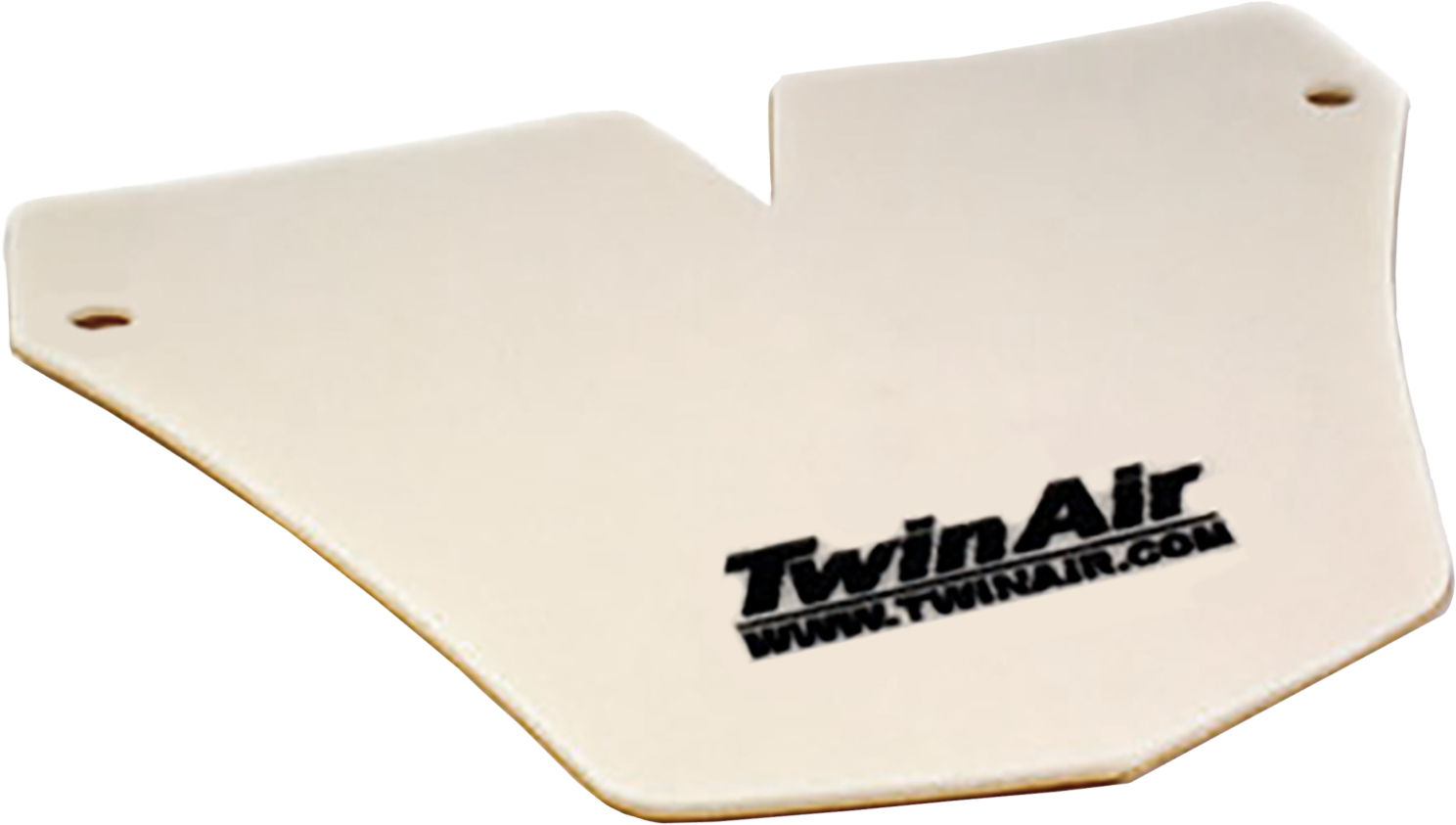
Why Off-Road Engines Require Dual-Stage Open-Pore Polyurethane Foam
Pleated paper and cotton-gauze filters used on street motorcycles clog almost instantaneously in thick motocross roost or desert silt. Competition dirt bikes rely on reticulated dual-stage polyester/polyurethane foam laminated together via heat-flame bonding (rather than glue, which blocks airflow):
- Outer Coarse Foam Layer (~40–45 PPI Pores Per Inch): Captures airborne sand, mud splatters, and coarse organic debris while maintaining surface porosity.
- Inner Fine Foam Layer (~60–65 PPI Pores Per Inch): Acts as a labyrinthine trap where high-tack thixotropic filter oil coats every microscopic polyurethane strand, capturing fine silica dust particles down to 5–10 microns before they can reach the throttle body and score the titanium intake valves or cylinder wall.
The 5-Step Competition Air Filter Servicing Protocol
- Clean the Airbox Boot First: Before unbolting the dirty filter, wipe away loose dirt around the upper airbox rim. Immediately insert a plastic airbox wash cover or lint-free shop towel into the intake tract once the filter is removed.
- Use Approved Filter Cleaner (Never Gasoline): Wash the foam element in dedicated petroleum-filter degreaser, mineral spirits, or biodegradable cleaner (if using bio oil). Never use gasoline, acetone, or brake cleaner—harsh solvents dissolve the glue seams holding the base ring together and cause polyurethane cells to swell and tear.
- Squeeze—Never Wring or Twist: Gently press solvent and rinse water out between the palms of your hands. Twisting a wet foam filter like a dish rag rips the flame-bonded seams apart. Allow the filter to dry 100% completely before oiling (moisture trapped inside the foam repels oil and leaves dry unprotected pockets).
- Full-Saturation Tack Oiling: Submerge or massage liquid foam filter oil thoroughly through both the inner and outer layers inside a sealed plastic bag until the entire element shows uniform dye color, then gently squeeze out excess oil. Allow the volatile carrier solvent to flash off for 15–20 minutes so the oil polymerizes into sticky tack strings.
- Inspect the Cage & Seal the Base Rim: Seat the foam evenly over the internal backfire screen cage, apply a thin bead of waterproof rim grease along the flat foam sealing ring (unless using a factory neoprene-lip seal design), and verify 360-degree contact around the airbox flange.
Shop Air Filters, Filter Oils & Intake Hardware
Stock your workbench with replacement foam air filters, biodegradable and synthetic filter oils, and wash covers in our Garage & Maintenance Department.


